Manufacturer source check
Manufacturer sources checked 24 September 2026.
- Cure Time: TDS: 2.5–3.5 mm per 24 hours at 23°C/50% RH. Full cure depends on bead depth and conditions; a blanket 24-hour full-strength claim is unsupported.
- Paintability: TDS: water-based paint after skinning, around 45–60 minutes; wait longer in cold weather. Pre-test paint and apply water-based paint before a solvent-based coating. Sand only when fully cured.
- Directions for Use: Clean and prepare the substrates; use backing rod for correct joint depth, gun into the joint and tool within 10 minutes. Clean uncured product with mineral turps; remove cured material mechanically.
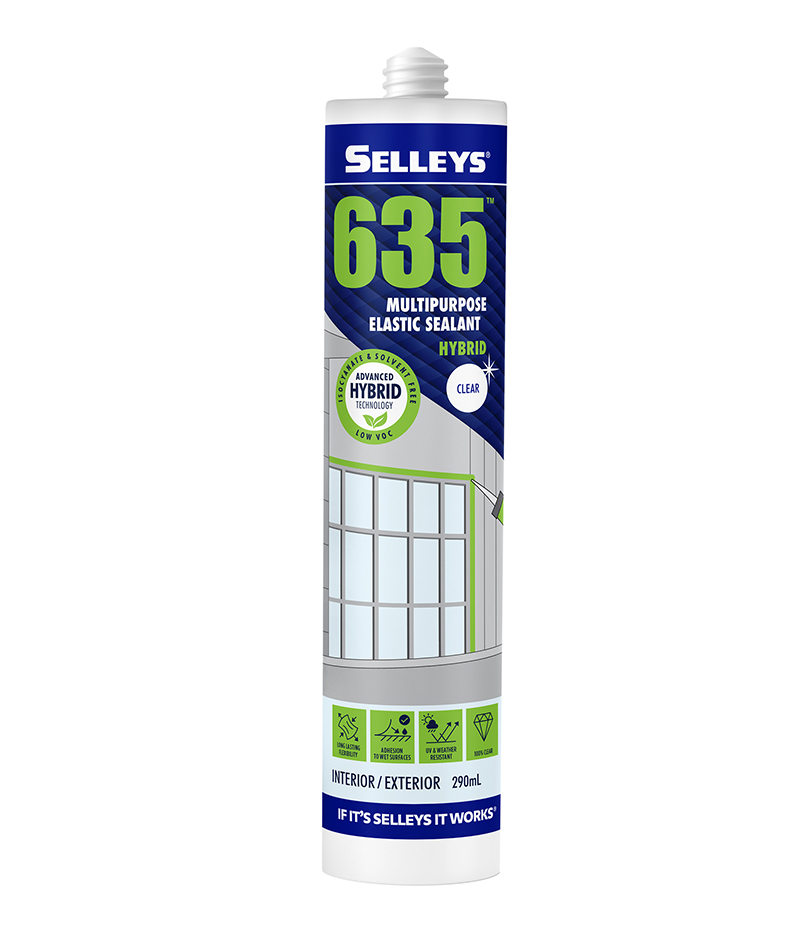
- Product identity: Use the Flexiseal Clear TDS and label. Do not automatically substitute specifications from Selleys 635; identity or formulation equivalence has not been established here.
- Limitations: Not for PE, PP, PTFE, structural glazing, surfaces above 70°C or permanent immersion.
What is Selleys Flexiseal Clear, and where should you use it?
Selleys Flexiseal Clear is a premium 100% clear multipurpose elastic joint sealant built on Selleys advanced polymer technology. It is a moisture cure product with high UV and weather resistance, it works indoors and outdoors, and it forms a strong elastic waterproof seal on common building materials — concrete, timber, metals, cement sheeting, brick, plaster, ceramic tiles, glass and most other surfaces.
Two characteristics make it worth choosing over a general-purpose sealant. It offers excellent adhesion even on wet surfaces, and it is non-slump and non-sagging in joints up to 20mm wide — so a vertical expansion joint holds its profile instead of running before it skins. It is also paintable with water-based paints, which most clear sealants are not.
Technical specification
| Property | Typical result |
|---|---|
| Technology | Moisture cure |
| Colour | Clear |
| Density | Approximately 1.05 g/mL |
| Skin time (23°C, 50% RH) | 40 minutes |
| Tack free time (23°C, 50% RH, ASTM C679) | 45 to 60 minutes |
| Cure rate (23°C, 50% RH) | 2.5 to 3.5mm per 24 hours |
| Shore A hardness (ASTM D2240) | 35 ± 5 |
| Tensile strength (ASTM D412) | 1.6 MPa |
| Elongation at break (ASTM D412) | 240% |
| Movement capability (ISO 9047 Method B) | ±12.5% |
| Modulus at 60% (ISO 8339 Method B) | 0.6 MPa |
| Application temperature | 5°C to 35°C |
| Service temperature | -20°C to 70°C |
| Packaging | 290mL cartridge, clear |
These are indicative data only, not intended for the preparation of specifications.
What the key numbers mean in practice
The tooling window is 10 minutes, which is the figure to plan around — not the 40-minute skin time. The directions are specific: extrude the sealant and tool it with a round spatula within 10 minutes to spread it against the joint surfaces. Tooling is what forces the sealant into contact with both faces of the joint, and doing it late means the bead is sitting on the surface rather than bonded into it.
TDS: 2.5–3.5 mm per 24 hours at 23°C/50% RH. Full cure depends on bead depth and conditions; a blanket 24-hour full-strength claim is unsupported. Clean and prepare the substrates; use backing rod for correct joint depth, gun into the joint and tool within 10 minutes. Clean uncured product with mineral turps; remove cured material mechanically.
±12.5% movement capability under ISO 9047 Method B is the number that decides whether this product suits your joint. It is a real movement class, but it is half the capability of the ±25% products in the range. For an expansion joint that will see a lot of thermal cycling, check the expected movement against that 12.5% before committing. A modulus at 60% of 0.6 MPa confirms the low-stress behaviour: the bead stretches without pulling hard on the substrate.
The service temperature ceiling of 70°C connects directly to a stated limitation — the product is not suitable for surfaces heated above 70°C, roofing being the example given. A dark metal roof in an Australian summer exceeds that comfortably, which is why roofing is called out.
Where to use it
- Sealing vertical and horizontal expansion joints
- Concrete, timber and metals
- Cement sheeting, brick and plaster
- Ceramic tiles and glass
- Most other common building surfaces
The product page adds that it is designed for construction, industrial and DIY applications, with excellent adhesion to porous and non-porous surfaces, and that it can be used both to seal gaps and joints and to bond different materials.
How to apply it
- Prepare the surfaces. They must be clean and dry, free of wax, grease, dust and any other foreign material. Degrease metal substrates first.
- Cut the nozzle at a sharp angle, slightly wider than the bead or joint width you want.
- Fit a backing rod if you are installing it as a joint sealant — always use a suitable backing rod to achieve the correct depth.
- Extrude the sealant with a gun into the joint.
- Tool with a round spatula within 10 minutes, spreading the sealant against the joint surfaces.
- Remove uncured sealant with mineral turps before it cures.
TDS: 2.5–3.5 mm per 24 hours at 23°C/50% RH. Full cure depends on bead depth and conditions; a blanket 24-hour full-strength claim is unsupported. Clean and prepare the substrates; use backing rod for correct joint depth, gun into the joint and tool within 10 minutes. Clean uncured product with mineral turps; remove cured material mechanically.
Painting over it
Flexiseal Clear is paintable with water-based paints after the product skins, at 45 to 60 minutes. Allow longer in colder weather. Lightly sand the surface before painting with undercoats. Solvent-based paints may be used after first painting with a water-based paint. Pre-test the paint over a small section of sealant before completing the job. The cured sealant is sandable.
Note that the product page describes the sealant as paintable only "once fully cured"; the technical data sheet gives the 45 to 60 minute skin-based figure, which is the one stated on the current data sheet.
Limitations — where Flexiseal Clear should not be used
The manufacturer's stated limits are that it is not suitable for:
- Polyethylene, polypropylene or PTFE
- Structural glazing
- Surfaces heated above 70°C — roofing is the example given
- Permanent water immersion
The product page states the same plastics exclusion, naming Teflon®, polyethylene and polypropylene, and adds that it is not for underwater applications or areas with constant exposure to water before curing.
The roofing exclusion is the one most likely to be overlooked, because the product is otherwise weather resistant and suits exterior work. Weather resistance and heat resistance are different properties, and 70°C is easily exceeded on an exposed roof surface.
Clean up and storage
Spills and tools clean up with mineral turps before the product cures. Cured product can only be removed mechanically. Store in cool, dry conditions below 30°C.
Safety information
Selleys does not publish a safety data sheet for Flexiseal Clear in the sources used to build this page, so no GHS hazard classification, signal word or hazard statements are reproduced here.
That is an absence of published data, not a finding that the product is non-hazardous. It should not be read as an all-clear, and the classification of a similar or neighbouring product should not be assumed to apply — variants within a Selleys range frequently carry genuinely different classifications.
Safety data sheets exist for other Flexiseal products, including Flexiseal FC, which are different formulations.
To obtain it, request the safety data sheet for this product from Selleys directly: 1300 555 205 in Australia, 0800 735 539 in New Zealand, or contact Selleys. For an emergency involving a Selleys product the emergency line is 1800 220 770 in Australia and 0800 220 770 in New Zealand; for suspected poisoning, the Poisons Information Centre is 131 126 in Australia and 0800 764 766 in New Zealand.
What is Selleys Flexiseal Clear?
Use the Flexiseal Clear TDS and label. Do not automatically substitute specifications from Selleys 635; identity or formulation equivalence has not been established here.
What colour is Selleys Flexiseal Clear?
Selleys Flexiseal Clear is clear in colour.
How long does Selleys Flexiseal Clear take to cure to full strength?
TDS: 2.5–3.5 mm per 24 hours at 23°C/50% RH. Full cure depends on bead depth and conditions; a blanket 24-hour full-strength claim is unsupported.
Can Selleys Flexiseal Clear be painted?
TDS: water-based paint after skinning, around 45–60 minutes; wait longer in cold weather. Pre-test paint and apply water-based paint before a solvent-based coating. Sand only when fully cured.
What materials is Selleys Flexiseal Clear suitable for?
Selleys Flexiseal Clear is suitable for use on timber, metal, concrete, tiles, and glass.
Can Selleys Flexiseal Clear be used both indoors and outdoors?
Yes, Selleys Flexiseal Clear is suitable for both indoor and outdoor use.
What are the limitations of Selleys Flexiseal Clear?
Not for PE, PP, PTFE, structural glazing, surfaces above 70°C or permanent immersion.
What is the service temperature range for Selleys Flexiseal Clear once cured?
Use the Flexiseal Clear TDS and label. Do not automatically substitute specifications from Selleys 635; identity or formulation equivalence has not been established here.
What temperature range is recommended for applying Selleys Flexiseal Clear?
Clean and prepare the substrates; use backing rod for correct joint depth, gun into the joint and tool within 10 minutes. Clean uncured product with mineral turps; remove cured material mechanically.
How do you apply Selleys Flexiseal Clear?
Clean and prepare the substrates; use backing rod for correct joint depth, gun into the joint and tool within 10 minutes. Clean uncured product with mineral turps; remove cured material mechanically.
What technology powers Selleys Flexiseal Clear?
Use the Flexiseal Clear TDS and label. Do not automatically substitute specifications from Selleys 635; identity or formulation equivalence has not been established here.
How water resistant is Selleys Flexiseal Clear?
Selleys Flexiseal Clear offers excellent water resistance.
Images on This Page
-
https://www.selleys.com.au/media/cseezadf/selleys-logo-tagline_752x360.png?rmode=boxpad&ranchor=center&width=188&height=90&format=webp&quality=90
Selleys: Adhesives | Sealants | Putty Fillers | Glues | Cleaning Products - Australia
-
https://www.selleys.com.au/images/productpagev2/loading.gif
(no alt text)
-
https://www.selleys.com.au/media/ud2dlhuh/selleys-flexiseal-clear-fop_7e046cc1.png?rmode=max&ranchor=center&width=440&height=440&format=webp&quality=90
/media/ud2dlhuh/selleys-flexiseal-clear-fop_7e046cc1.png?rmode=max&ranchor=center&width=440&height=440&format=webp&quality=90
-
https://www.selleys.com.au/media/xiyn3xwe/selleys-flexiseal-bop_49f5446e.png?rmode=max&ranchor=center&width=440&height=440&format=webp&quality=90
/media/xiyn3xwe/selleys-flexiseal-bop_49f5446e.png?rmode=max&ranchor=center&width=440&height=440&format=webp&quality=90
-
https://www.selleys.com.au/media/02gf3dcr/flexiseal-clear-features_cbf3e931.png?rmode=max&ranchor=center&width=440&height=440&format=webp&quality=90
/media/02gf3dcr/flexiseal-clear-features_cbf3e931.png?rmode=max&ranchor=center&width=440&height=440&format=webp&quality=90
-
https://www.selleys.com.au/images/productpagev2/pdp-share-icon.png
Share
-
https://www.selleys.com.au/media/surfflyf/630-black.jpg
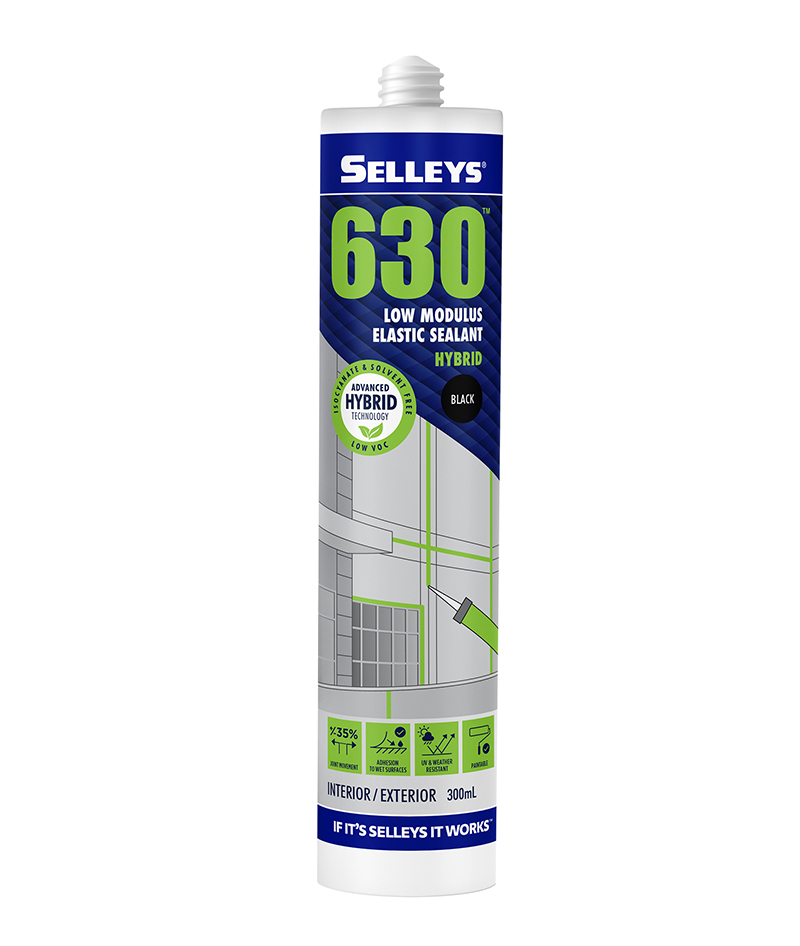
Selleys 630 Low Modulus Multipurpose Elastic Joint Sealant
-
https://www.selleys.com.au/media/kzmfnrni/635-clear.jpg
Selleys Flexiseal Clear
-
https://www.selleys.com.au/media/zz1e4v0a/650fc-white.jpg
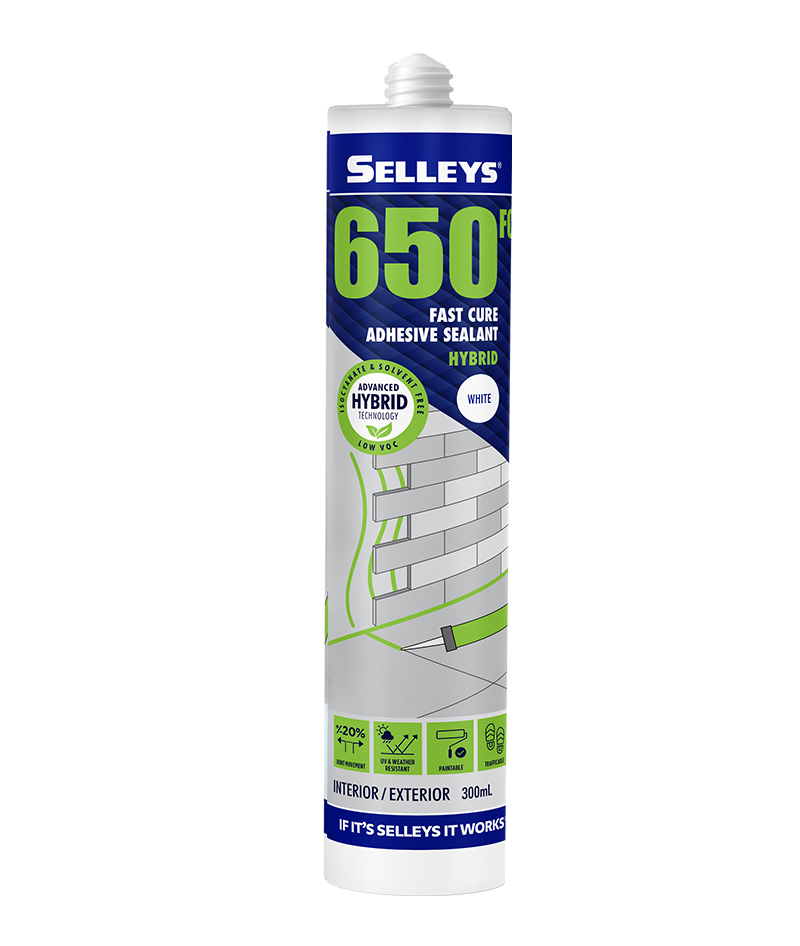
Selleys 650FC Fast Cure Adhesive Sealant
-
https://www.selleys.com.au/media/c52cidrg/655fc-clear.jpg
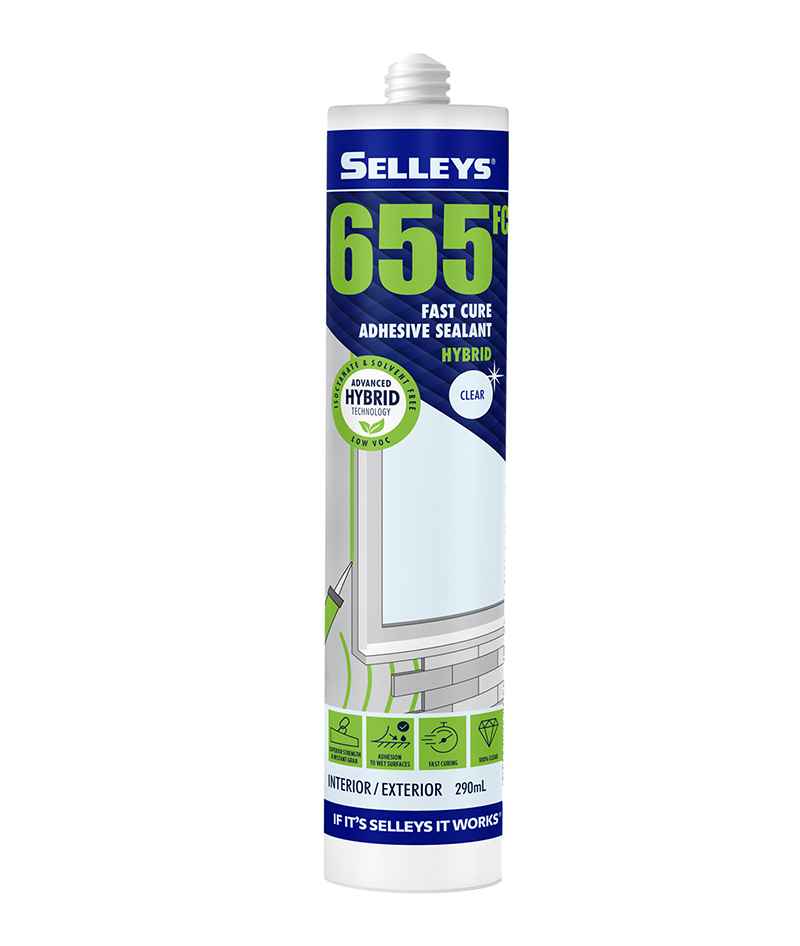
Selleys 655FC Fast Cure Adhesive Sealant
-
https://www.selleys.com.au/media/deljyraj/670-fast-grab-black.jpg
Selleys 670 Fast Grab Adhesive Sealant
-
https://www.selleys.com.au/media/x2pbu0ca/675-crystal-fix-clear.jpg
Selleys 675 Crystal Fix Adhesive Sealant
-
https://www.selleys.com.au/media/zgymnqai/selleys-600-series-banner-v2.jpg?rmode=crop&ranchor=center&width=614&height=353&format=webp&quality=90
About Selleys 600 Series