Manufacturer source check
The manufacturer product page currently marks this product discontinued. The TDS v1.1, 2 April 2025 gives different temperature and cure guidance from the retail-page table. The TDS specifies −40°C to +90°C, with short-term exposure at 120°C. The retail page says −40°C to 150°C. Confirm the matching specification with Selleys; the TDS does not support a general 150°C rating.
What is Selleys 675 Crystal Fix, and where should you use it?
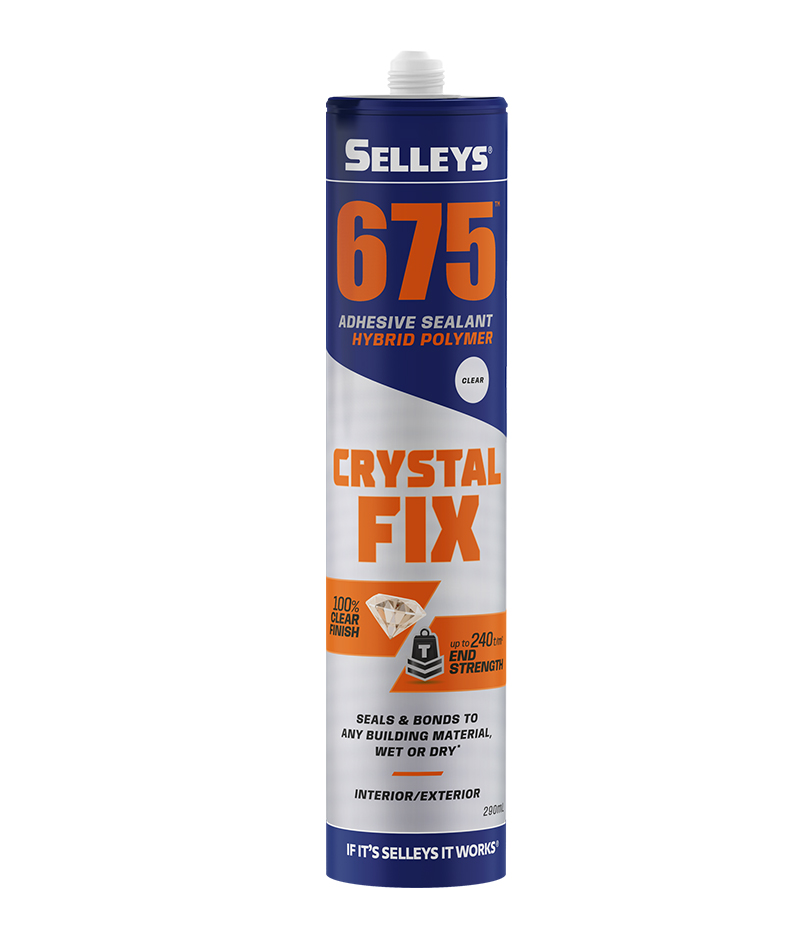
Selleys 675 Crystal Fix is a crystal clear elastic adhesive sealant based on Advanced Hybrid Technology — a silyl-modified polymer that bonds and seals at the same time. It is made for the jobs where the joint has to disappear: glass and mirror assembly, transparent roof coverings, transparent bridge and balcony parapets, and interior finishing where a visible white or grey bead would spoil the work.
The one thing to understand before you choose it is that "clear" is not its only selling point. It carries a ±20% movement capability and high tensile strength with broad primerless adhesion to most building materials, so it is a genuine movement-joint sealant that happens to be invisible — not a clear cosmetic filler. It is also free of isocyanates and solvents, which is why it is described as safer for the applicator than the solvent-based alternatives.
Technical specification
| Property | Typical result |
|---|---|
| Technology | Silyl-Modified Polymer (Advanced Hybrid Technology) |
| Colour | Crystal clear |
| Density | 1.06 |
| Application temperature | 5°C to 40°C |
| Skin time | Approximately 15 minutes |
| Cure rate | Approximately 2.4mm per 24 hours |
| Tensile strength (ISO 37 DIN 53504) | Approximately 2.4 N/mm² |
| Shore A hardness (DIN 53505) | Approximately 32 |
| Elongation at break (ISO 37 DIN 53504) | Approximately 320% |
| Modulus at 100% elongation (ISO 37 DIN 53504) | Approximately 0.8 N/mm² |
| Movement capability (EN 15651/1; ISO 11600) | ±20% |
| Service temperature | -40°C to +90°C, with short term at 120°C |
| Packaging | 290mL cartridge, clear |
These are indicative data only, not intended for the preparation of specifications.
What the key numbers mean in practice
TDS v1.1 (2 April 2025): about 15-minute skin time and 2.4 mm per 24 hours cure. The retail page lists three to five days, but full cure varies with joint depth, air exposure and conditions; do not treat it as guaranteed for every bead. A daily cure-rate figure is not a guaranteed linear timetable for a particular joint.
The skin time of approximately 15 minutes sets your working window. Tooling and finishing must be carried out within the skin time; the product is described as adjustable for 10 minutes, so treat ten minutes as the practical limit for repositioning a bonded element or re-tooling a bead. Past that point, working the surface tears it rather than smoothing it.
±20% movement capability means the cured bead tolerates the joint widening or narrowing by a fifth of its designed width. That is what makes it suitable for expansion joints, façade joints and areas subject to dynamic movement. The number only holds if the bead is free to stretch, which brings in the geometry rules below.
Joint sizing and coverage
For expansion joints, the minimum joint width and depth is 5mm. For joint widths up to 12mm, use a width-to-depth ratio of 1:1. For joint widths greater than 12mm, the optimum ratio is 2:1 — twice as wide as it is deep. Always install a suitable diameter backing rod (polyethylene or polyurethane foam rod) to control sealant depth and ensure the sealant is free to move. Wider joints can accommodate more total movement than narrow ones.
The critical detail: the sealant must adhere to the sides of the joint only, and not to the back. A bead stuck to all three faces cannot stretch, and the ±20% figure becomes meaningless. That is the whole purpose of the backing rod.
For general applications, one cartridge covers approximately 32 metres at a 3mm bead. For joint filling, the published estimates are:
| Joint width (mm) | Joint depth (mm) | Litres per lineal metre |
|---|---|---|
| 6 | 6 | 0.036 |
| 8 | 8 | 0.064 |
| 10 | 10 | 0.100 |
| 12 | 6 | 0.072 |
Where to use it
Selleys 675 Crystal Fix is suitable for both bonding and sealing applications, including:
- House interior fitting
- Construction finishing
- Furniture and industrial assembly where a crystal-clear bond or seal is required
- Transparent bridge and balcony parapets
- Weatherproofing of joints in transparent roof coverings
- Joints between window or door frames
- Mirror and glass assembly
The product page also recommends it for façade joints and areas subject to dynamic movement, on the strength of its UV and weather resistance. The TDS backs that up: it is colour stable, non-yellowing and non-chalking, with excellent resistance to ageing and weathering, making it suitable for internal and external use.
Surface preparation and adhesion testing
675 Crystal Fix generally has good adhesion without priming to the common building materials indicated. For some plastics and pre-painted surfaces, priming may be required, and a pre-test to confirm adhesion is recommended. This is not boilerplate — the limitations below rule out several plastics outright, and a compatibility test must follow suitable curing and assessment conditions before the main installation.
How to apply it
- Clean the surface. It must be clean, dry and free from oil, grease, release agents, dust and loose material.
- Carry out preliminary adhesion tests on the substrate before you commit to the job.
- Fit a backing rod where you are filling a joint, sized to control the sealant depth and keep the bead free to move.
- Cut the end of the cartridge, attach the plastic nozzle, and cut the nozzle at an angle to suit the bead thickness and profile you want.
- Check the temperature. The optimum application temperature for both the substrate and the sealant is between 5°C and 40°C.
- Extrude the sealant carefully with a cartridge gun, preventing air entrapment. Fill the joint so the sealant is in full contact with the sides, and avoid overlapping beads, which traps air.
- Smooth with a spatula, forcing the sealant into the joint for better contact with the sides. Tooling and finishing must be done within the skin time.
- Support bonded elements during the curing period if they need holding in place.
- Keep water off it until it has fully cured, and allow enough air exposure for the moisture cure to proceed.
- Use opened packs up within a relatively short time.
Painting over it
675 Crystal Fix can be overpainted with water-based paint. If you are applying a solvent-based paint, apply a water-based primer first. To maximise durability in outdoor applications, paint with a suitable exterior paint. Be aware that the hardness and film thickness of the paint can impair the elasticity of the sealant and lead to cracking of the paint film — a rigid coating over a moving joint will craze even when the sealant underneath is performing.
Limitations — where 675 Crystal Fix should not be used
These are the manufacturer's stated limits. Treat them as hard boundaries rather than cautions:
- Not recommended for continuous submersion or below water line use.
- Do not use for structural glazing.
- Do not apply in the presence of curing silicone sealants — the cure may be affected.
- Avoid contact with alcohol and other solvent cleaners during cure, which will affect the cure.
- May affect drying of alkyd and oil-based paints unless primed with a water-based primer.
- Will not adhere to PE, PP or PTFE. Test other plastics and rubber first.
The product page adds two further application limits: avoid application below 5°C or above 40°C, and it is not recommended for use on bituminous substrates.
The first two on that list are the ones that cause real damage. Structural glazing is a load-bearing application with its own engineering requirements, and a movement sealant is not a substitute. Continuous immersion is a different exposure again from weathering, which this product handles well.
Clean up and storage
The TDS specifies mineral turps for spills and tools before cure, and mechanical removal after cure. The retail page says a damp cloth; follow the matching label and check substrate compatibility.
Store unopened cartridges below 30°C in a cool dry place away from direct sunlight. Unopened, they keep for 12 months from the date of manufacture. Opened cartridges skin and form a lump near the opening; discard the lump and skin, and the remaining product can still be used.
Hazard classification
675 Crystal Fix is not classified as hazardous under the criteria of Safe Work Australia GHS 7. No hazard category, no hazard statement and no signal word are assigned to it. It is also not classified as Dangerous Goods under the Australian Code for the Transport of Dangerous Goods by Road & Rail, or under New Zealand NZS5433.
That is an unusual result for a construction adhesive and it is worth stating plainly rather than burying. The page above notes that the product contains no solvents and no isocyanates, and describes it as safer for the applicator than the solvent-based alternatives; the classification is what that claim rests on. For comparison within the same aisle: Flexiseal FC is a polyurethane and is classified hazardous because it contains isocyanates, and a solvent-borne sealant such as All Clear carries a Class 3 flammable liquid dangerous goods classification on top of its health hazards. 675 Crystal Fix carries neither.
Not classified is not the same as inert, and it changes nothing about how the product should be handled while it is wet. The ordinary precautions still apply: wash your hands after handling it and before eating, drinking or smoking; keep it away from food and drink; do not get uncured sealant in your eyes; and keep it out of reach of children. Cured sealant is removed mechanically, so treat any sanding or cutting back of a cured bead as a dust job and avoid breathing it.
The storage note on the page above is also a safety note, not just a shelf-life one. Store unopened cartridges below 30°C in a cool, dry, well-ventilated place away from direct sunlight and away from sources of heat or ignition, with the cartridge upright and the container closed.
If poisoning occurs, contact a doctor or the Poisons Information Centre — 131 126 in Australia, 0800 764 766 in New Zealand — with the container to hand. Selleys emergency line: 1800 220 770 in Australia, 0800 220 770 in New Zealand.
Common questions about Selleys 675 Crystal Fix
How long does it take to cure?
It cures at approximately 2.4mm per 24 hours, working inward from the surface, so the total time depends on the depth of your bead. Cure time varies with joint depth and conditions.
How long do I have to tool the bead?
Skin time is approximately 15 minutes, and tooling must be completed within it. The product is described as adjustable for 10 minutes, so treat that as your working window for repositioning bonded parts.
Can I paint over it?
Yes, with water-based paint. For a solvent-based paint, apply a water-based primer first. A hard or thick paint film may crack over a flexing joint.
Will it stick to plastic?
Not to PE, PP or PTFE. Other plastics and rubbers should be tested first, and some plastics may need priming.
Can I use it underwater or below the water line?
No. It is not recommended for continuous submersion or below water line use.
Can I use it for structural glazing?
No. The TDS specifically excludes structural glazing. It is suitable for mirror and glass assembly, which is a different, non-load-bearing application.
What temperatures will the cured sealant survive?
The TDS gives a service temperature range of -40°C to +90°C, with short term exposure at 120°C. Note that the product page quotes a wider figure of -40°C to 150°C; the TDS value is the one stated on the current technical data sheet.
Can I apply it next to a silicone sealant that is still curing?
No. Do not cure it in the presence of curing silicone sealants, and keep solvent cleaners away from it during cure, as both interfere with the cure.
How much does a cartridge cover?
Approximately 32 metres at a 3mm bead for general applications. For joint filling, a 10mm x 10mm joint uses 0.100 litres per lineal metre.
How long can I store it?
Unopened cartridges last 12 months from the date of manufacture, stored below 30°C in a cool dry place out of direct sunlight.
What size does it come in?
A 290mL cartridge in crystal clear.
What if I need a coloured or opaque sealant instead?
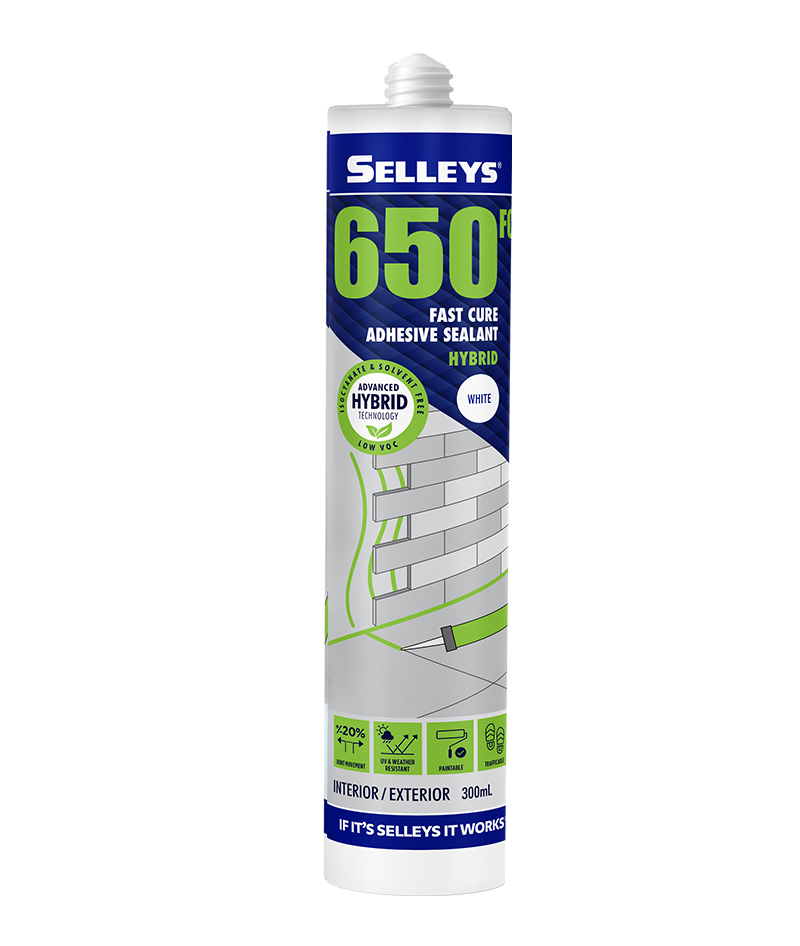
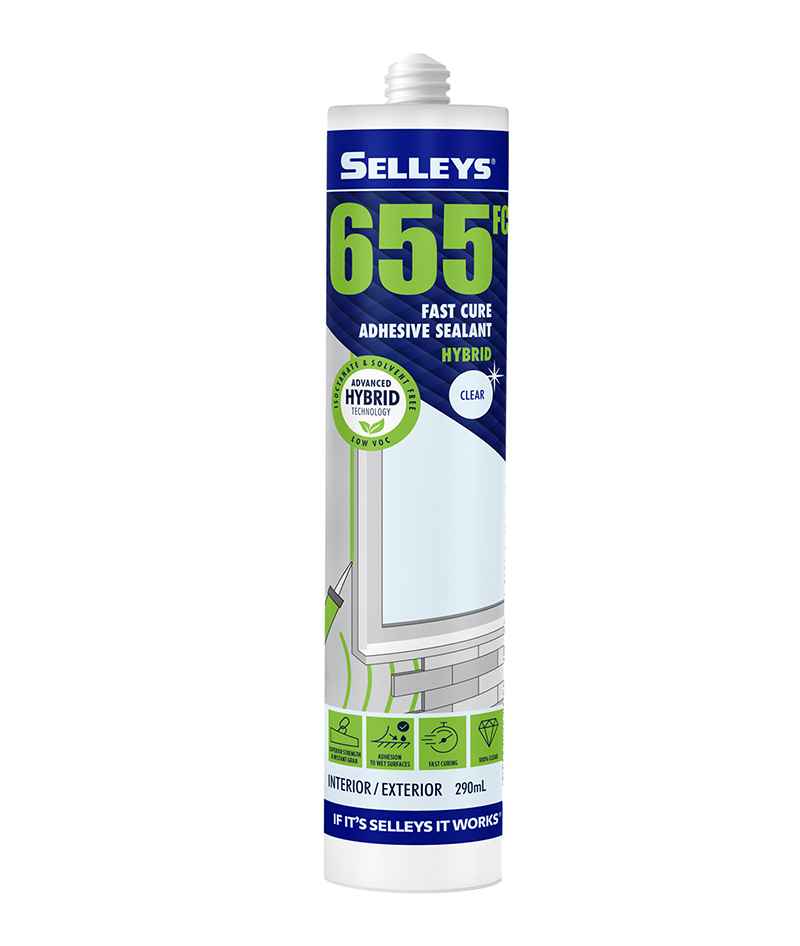
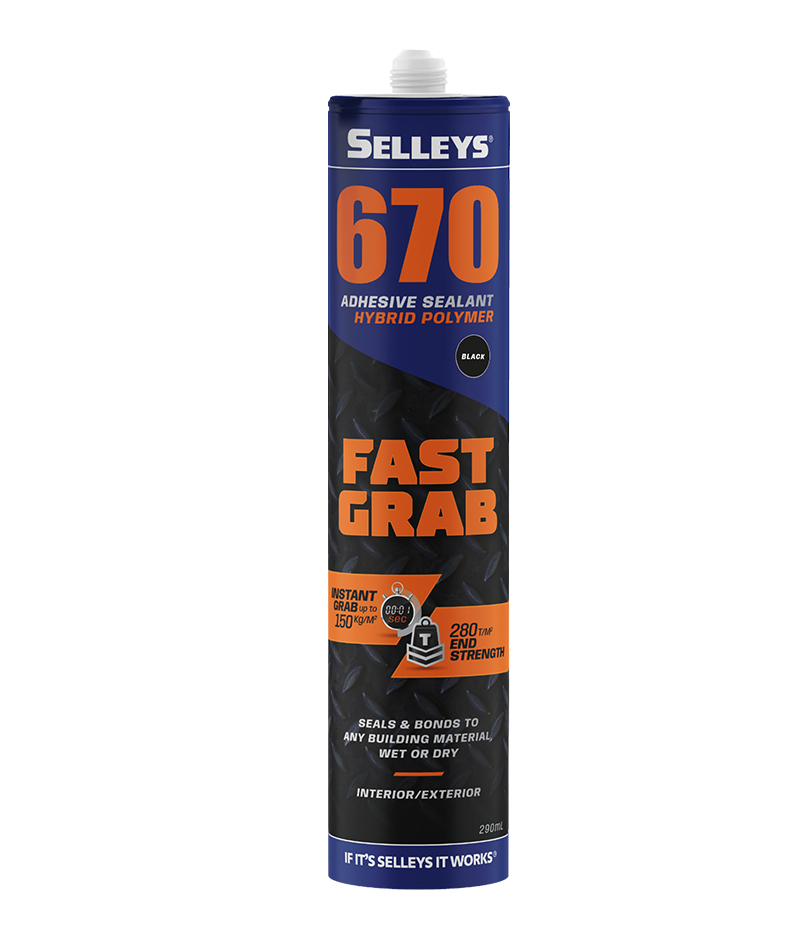
The 600 Series includes several other adhesive sealants for construction and industrial work — see the 650 FC Fast Cure Adhesive Sealant, the 655 FC Fast Cure Adhesive Sealant and the 670 Fast Grab Adhesive Sealant, or browse the full multi-purpose sealant range.
What is Selleys 675 Crystal Fix Adhesive Sealant?
Selleys 675 Crystal Fix Adhesive Sealant is a multipurpose crystal clear elastic adhesive sealant based on advanced Hybrid Polymer technology, designed for applications where an invisible bond is necessary, and is suitable for both internal and external use.
What technology is used in Selleys 675 Crystal Fix?
Selleys 675 Crystal Fix uses Hybrid Polymer technology (also described as Silyl-Modified Polymer technology in supporting specifications).
What is the movement capability of Selleys 675 Crystal Fix?
Selleys 675 Crystal Fix has a movement capability of ±20%, allowing for joint flexibility in dynamic applications.
What is the skin time and full cure time of Selleys 675 Crystal Fix?
TDS v1.1 (2 April 2025): about 15-minute skin time and 2.4 mm per 24 hours cure. The retail page lists three to five days, but full cure varies with joint depth, air exposure and conditions; do not treat it as guaranteed for every bead.
What substrates is Selleys 675 Crystal Fix suitable for?
Selleys 675 Crystal Fix is suitable for use on concrete, aluminium, glass, and masonry.
What is the application temperature range for Selleys 675 Crystal Fix?
Selleys 675 Crystal Fix should be applied at temperatures between 5°C and 40°C.
What is the service temperature range of Selleys 675 Crystal Fix once cured?
The TDS specifies −40°C to +90°C, with short-term exposure at 120°C. The retail page says −40°C to 150°C. Confirm the matching specification with Selleys; the TDS does not support a general 150°C rating.
Is Selleys 675 Crystal Fix paintable?
Yes, Selleys 675 Crystal Fix is paintable after it has fully cured.
Does Selleys 675 Crystal Fix have UV resistance?
Yes, Selleys 675 Crystal Fix has UV resistance.
What are the limitations of Selleys 675 Crystal Fix?
Selleys 675 Crystal Fix is not suitable for structural glazing or continuous water immersion, should not be applied below 5°C or above 40°C, and is not recommended for use on bituminous substrates.
How should Selleys 675 Crystal Fix be cleaned up?
The TDS specifies mineral turps for spills and tools before cure, and mechanical removal after cure. The retail page says a damp cloth; follow the matching label and check substrate compatibility.
What are the directions for using Selleys 675 Crystal Fix?
To use Selleys 675 Crystal Fix: 1) ensure the surface is clean, dry, and free from contaminants; 2) use a caulking gun to apply evenly to prepared joints; 3) smooth and tool off the sealant before a skin forms; 4) avoid water exposure until fully cured; note that cure time may vary depending on joint depth and conditions.
What packaging size is Selleys 675 Crystal Fix Adhesive Sealant available in?
According to supporting product information, Selleys 675 Crystal Fix Adhesive Sealant is available in a 290mL cartridge.
Is Selleys 675 Crystal Fix environmentally friendly?
According to supporting product information, Selleys 675 Crystal Fix is free of isocyanates and solvents and has a low VOC content, meeting the GBCA VOC Content Requirement of less than 50g/L.
Is Selleys 675 Crystal Fix still a current product?
The manufacturer’s Australian product page marks it discontinued, checked 24 September 2026. Confirm a suitable replacement and its own specifications with Selleys.
Images on This Page
-
https://www.selleys.com.au/media/cseezadf/selleys-logo-tagline_752x360.png?rmode=boxpad&ranchor=center&width=188&height=90&format=webp&quality=90
Selleys: Adhesives | Sealants | Putty Fillers | Glues | Cleaning Products - Australia
-
https://www.selleys.com.au/images/productpagev2/loading.gif
(no alt text)
-
https://www.selleys.com.au/media/2fdhcnqq/675-usp.jpg?rmode=max&ranchor=center&width=440&height=440&format=jpg
https://www.selleys.com.au/media/2fdhcnqq/675-usp.jpg?rmode=max&ranchor=center&width=440&height=440&format=jpg
-
https://www.selleys.com.au/media/s1xatflv/selleys-675-290ml-crystal-fix-front.png?rmode=max&ranchor=center&width=440&height=440&format=png
https://www.selleys.com.au/media/s1xatflv/selleys-675-290ml-crystal-fix-front.png?rmode=max&ranchor=center&width=440&height=440&format=png
-
https://www.selleys.com.au/media/tadfqmxa/selleys-675-290ml-crystal-fix-cartridge_bop.png?rmode=max&ranchor=center&width=440&height=440&format=png
https://www.selleys.com.au/media/tadfqmxa/selleys-675-290ml-crystal-fix-cartridge_bop.png?rmode=max&ranchor=center&width=440&height=440&format=png
-
https://www.selleys.com.au/media/l1klkjlg/100-per-cent-clear-finish-lockup-options-copy.jpg?rmode=max&ranchor=center&width=440&height=440&format=jpg
https://www.selleys.com.au/media/l1klkjlg/100-per-cent-clear-finish-lockup-options-copy.jpg?rmode=max&ranchor=center&width=440&height=440&format=jpg
-
https://www.selleys.com.au/media/5nqnc4bv/cubes-comparison-copy.jpg?rmode=max&ranchor=center&width=440&height=440&format=jpg
https://www.selleys.com.au/media/5nqnc4bv/cubes-comparison-copy.jpg?rmode=max&ranchor=center&width=440&height=440&format=jpg
-
https://www.selleys.com.au/media/m1gd3zhi/670-and-675-range.jpg?rmode=max&ranchor=center&width=440&height=440&format=jpg
https://www.selleys.com.au/media/m1gd3zhi/670-and-675-range.jpg?rmode=max&ranchor=center&width=440&height=440&format=jpg
-
https://img.youtube.com/vi/CewIFnMts00/0.jpg?rmode=max&ranchor=center&width=440&height=440&format=jpg
https://img.youtube.com/vi/CewIFnMts00/0.jpg?rmode=max&ranchor=center&width=440&height=440&format=jpg
-
https://www.selleys.com.au/media/surfflyf/630-black.jpg
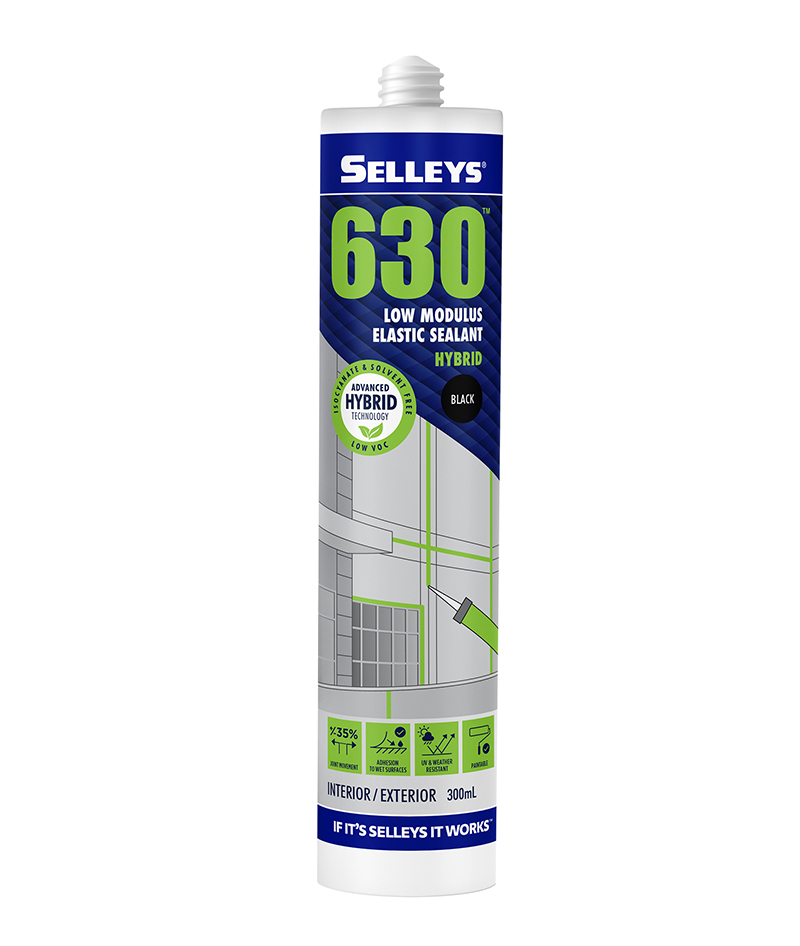
Selleys 630 Low Modulus Multipurpose Elastic Joint Sealant
-
https://www.selleys.com.au/media/kzmfnrni/635-clear.jpg
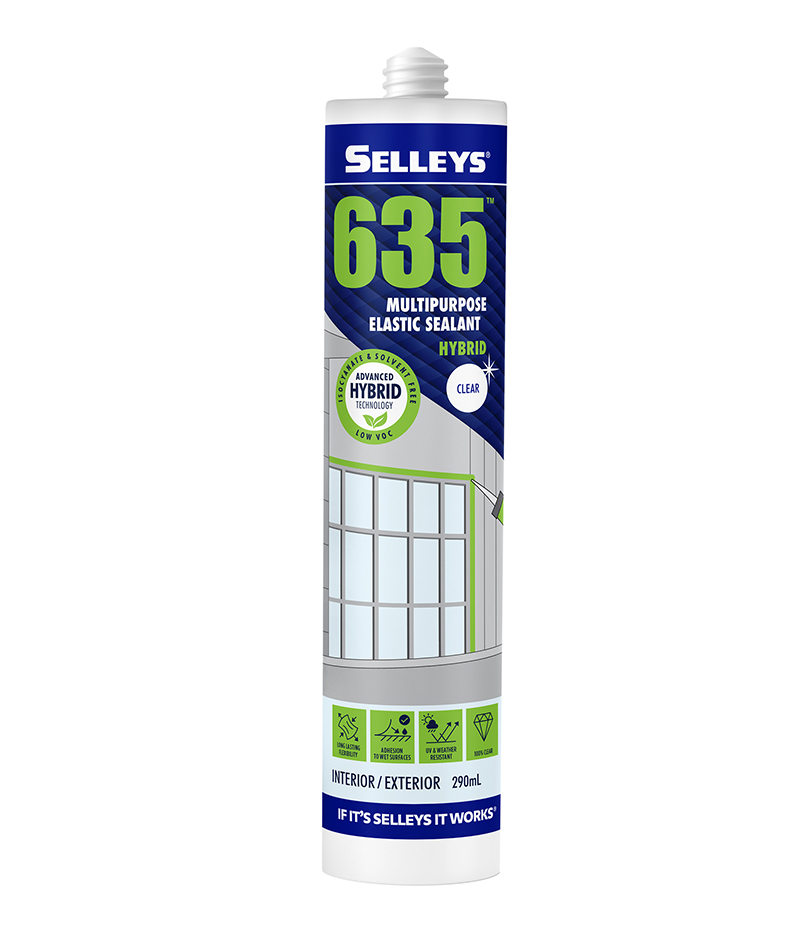
Selleys 635 Multipurpose Elastic Joint Sealant
-
https://www.selleys.com.au/media/zz1e4v0a/650fc-white.jpg
Selleys 650 FC Fast Cure Adhesive Sealant
-
https://www.selleys.com.au/media/c52cidrg/655fc-clear.jpg
Selleys 655 FC Fast Cure Adhesive Sealant
-
https://www.selleys.com.au/media/deljyraj/670-fast-grab-black.jpg
Selleys 670 Fast Grab Adhesive Sealant
-
https://www.selleys.com.au/media/x2pbu0ca/675-crystal-fix-clear.jpg
Selleys 675 Crystal Fix Adhesive Sealant
-
https://www.selleys.com.au/media/zgymnqai/selleys-600-series-banner-v2.jpg?rmode=crop&ranchor=center&width=614&height=353&format=webp&quality=90
About Selleys 600 Series